
Melissa Aftermath: If We Make It To 2026, Watch Out World
Ronald Donaldson used to walk along the roadside in Jamaica and enjoy a full meal, snagging fruits and vegetables like many locals to enjoy along the way. Because of this natural vegetation, Ron said Jamaicans had never known true hunger…until Hurricane Melissa took it away.
The Category 5 storm barreled across the island on October 28, 2025, and as Ron describes it, “it decimated our way of living.”
“When the storm hit, you didn’t think the needs were that great until you didn’t have the ability to communicate. We needed literally everything. Having gone out into the field and seen it myself, the reality of how bad it was hit me. It wasn’t that these services were gone, they were decimated. Soon, it became clear that some of these services were not coming back.”
After a storm, you might think help is on the way, that if you stay put, someone will arrive. Ron remembers having this same thought until he laid eyes on the police force a few days later. First responders who no longer had homes to return to were camping out at police stations, going out into the field in shifts, and then sleeping in their uniforms.
“I remember thinking, we are basically on our own. Nothing was going right for anyone. The school was gone. The hospital was gone. You start to realize everyone is affected, even first responders, so you just go out and start assisting.”
A few days into the unorganized aftermath of Melissa, Ron received a message from a friend on LinkedIn: “Have you heard of ITDRC? They are in Jamaica.”
“I met with Joe and his team… It became clear that ITDRC has a commitment to helping the world, so I just started connecting police stations with your team members, connecting, connecting, telling as many people as I could about ITDRC.”
Before the storm, Ron’s view on technology was that it was infecting his culture, getting people wrapped up in virtual reality instead of real life. At one point, he thought the storm knocking out communications might even be a good thing, giving everyone a chance to detox from life on the internet. He now openly admits his thinking was one-sided and that what it’s really about is how you use the device at your fingertips for good.
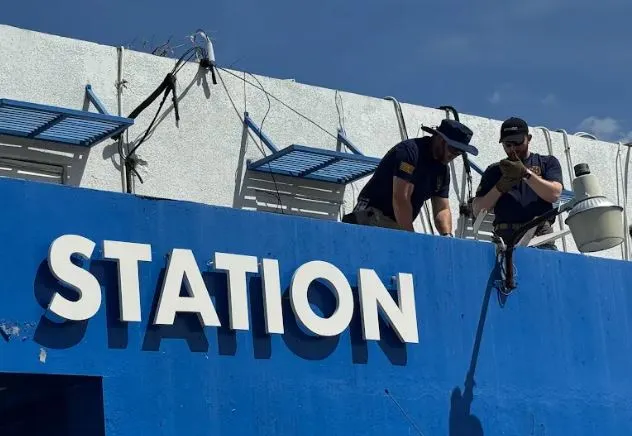
He traveled along those roadsides again with ITDRC, reconnecting hospitals and police stations. The fruit was gone, but another life source had taken its place, Wi-Fi, which he now calls a beacon of hope for Jamaicans.
“I was wrong. Tech is an enabler. It’s in how you use it. When you see a stressful expression leave someone’s face because they can finally communicate with their family… when you hear the other side of a conversation and they are crying with joy because they didn’t know if the other person was alive until they picked up the phone — it reshapes your understanding of what tech means. ITDRC, because of their tech, ended up saving lives, lowering cortisol levels, and reconnecting families. I can go on and on. It’s hard to condense it into a nice, simple sentence, but it was good…that’s what I’ll say.”
Ron said the experience of witnessing technology in action changed something in him, and it changed things for his island too. Ron became an ITDRC volunteer, and his community became more organized in their path forward. The work is not done, but as Ron says, the technology they now have has given them the opportunity to speak to each other, to call their neighbors and family to remind them they are here, they are recovering too, and they will get through this with love and support.
“It’s time for us to step up and ensure that we care about each other,” says Ron. “I’m hoping that with everything that has been done for good, it will inspire people to keep moving forward. If we can make it to the New Year, then look out, world, we are a strong people.”
There is one more thing Ron would like to say to the team members who deployed to Jamaica, but we’ll let him sign off in his own words.


